Amboseli timing is simple when you treat Kilimanjaro as a morning event
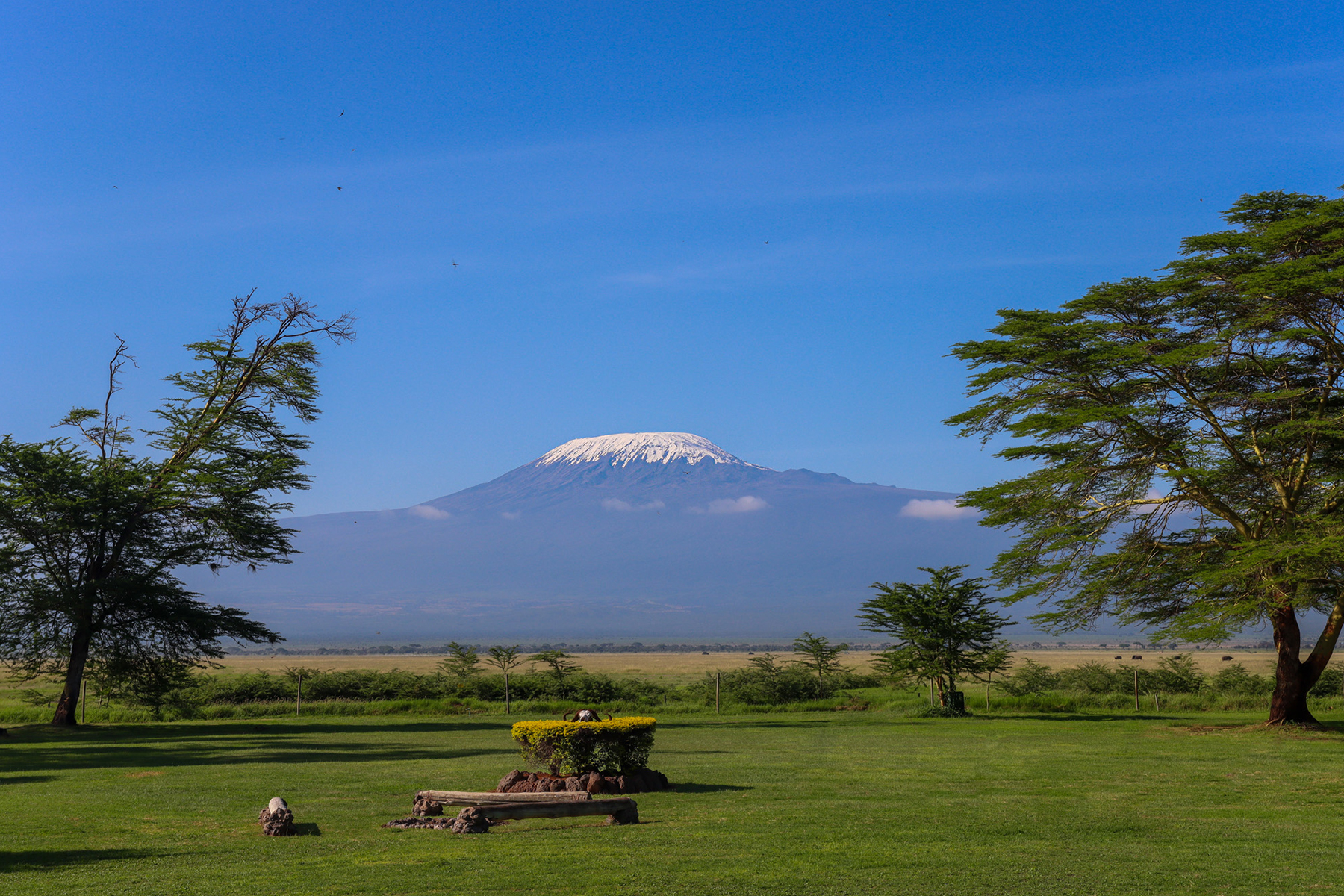
People come to Amboseli for two things: elephants and the mountain. The elephants are steady. The mountain is the variable — not because it disappears, but because visibility is shaped by temperature, cloud build, and the time of day you’re out.
This guide explains the clean timing logic we use: which months are easiest for clear views, how to structure your mornings, and how to sequence Amboseli inside a Kenya route so it feels relaxed, not rushed. If you’re comparing options or trying to decide where Amboseli fits best, this gives you a practical planning framework.
If you’re mapping a wider Kenya journey, our African Safaris overview gives the broader context, and Best Time to Visit Kenya helps you align timing. For day structure (reserve vs conservancy rules later in a Kenya route), keep this nearby: Reserve vs Conservancy.
In this guide
1) Best months for Amboseli (elephants + clearer Kilimanjaro views)
The simplest truth: if you want the highest chance of a clean mountain profile, plan for the drier windows and commit to early starts. Kilimanjaro is most visible when the air is cooler and cloud build is minimal — which is why the same month can feel “perfect” at 6:30am and “gone” by late morning.
- Easiest window for clarity + comfort: the drier months when mornings are crisp and visibility stabilises.
- Most important daily move: be on the landscape at sunrise (mountain first, then elephants).
- Minimum stay: 2 nights (one full day + multiple morning attempts). Ideal: 3 nights for a calm rhythm.
Operator note: we don’t “promise” Kilimanjaro — we design probability. That means: multiple mornings, clean pacing, and no pressure to chase a single perfect moment.
2) The real visibility drivers (ranked — what actually changes your outcome)
People often reduce Amboseli to “dry season good, rainy season bad.” Reality is more specific. These are the levers that actually change your mountain visibility and the feel of your days.
#1 Time of day (Kilimanjaro is a sunrise decision)
The mountain is most cooperative early. Cloud tends to build as the day warms. If you start late, you might still have a great elephant day — but you’re reducing your chances of that iconic wide view. Our design is simple: mountain first, then settle into elephants, marshes, and calmer photography.
#2 Cloud pattern + humidity (why “clear” is not just “no rain”)
Even without active rain, humidity can soften visibility. In the greener periods, the landscape can be beautiful — but the mountain is less reliable for crisp edges. The win is to build multiple mornings and accept that the best view may appear in short windows.
#3 Dust + haze (dry season trade-off)
Drier months often improve mountain chances, but they can introduce dust haze depending on wind and traffic. The fix is not panic — it’s timing and position: early, then choose angles with cleaner light. For photography, mornings matter more than any “best month” label.
#4 Elephant movement (reliable, but stronger with water logic)
Amboseli’s elephants are consistent. What changes is where they concentrate. In drier periods, water points and marsh edges can create very strong, cinematic scenes. In greener periods, elephants spread — still excellent, but sometimes less “compressed” in a single frame.
#5 Road conditions (how rain quietly changes fatigue)
Rain doesn’t ruin safari — but it can slow movement and add friction to the day. If your trip is short, that friction becomes more noticeable. If you have time, green periods can feel private and calm, with dramatic skies and softer light — just less guaranteed mountain clarity.
#6 Your number of mornings (the hidden variable)
One morning can be unlucky. Two mornings changes probability. Three mornings makes it feel effortless. If the mountain matters, the smartest “upgrade” is often one extra night — not a more expensive room category.
#7 Expectations (planning the day you want, not the myth)
If your goal is “a perfect Kilimanjaro photo at midday,” you’re setting yourself up for frustration. If your goal is “multiple calm morning chances plus excellent elephant days,” Amboseli delivers beautifully.
Decision shortcut: In Amboseli, the best “timing hack” is more mornings. The best “planning hack” is start early and keep pace easy.
3) How to structure Amboseli days (so the safari feels calm)
The goal is not to “drive more.” The goal is to be out at the right times, then let the day breathe. Amboseli rewards slow observation: elephants with space, long lenses, soft light, and clean horizons.
Do this (highest impact)
- Sunrise start on both mornings
- First hour focused on mountain angles
- Mid-morning in marsh zones for elephant rhythm
- A slow return + rest so the day stays easy
Avoid this (quiet quality killers)
- Late starts if the mountain matters
- One-night stops (no buffer for clouds)
- Over-stacking parks until every day feels like transfer
- Planning around a single “perfect” mountain moment
If you want the clean season framing that makes Kenya timing easier, keep this nearby: Best Time to Visit Kenya: Seasons, Crowds, and Clarity .
4) Routing logic: where Amboseli fits best in a Kenya safari
Amboseli is a perfect “chapter” — not always the whole book. It works best when you let it do what it does best: open landscapes, elephants, and iconic scenery. Then you build into higher predator density elsewhere later. This is the sequencing logic that keeps the trip feeling premium without rushing.
The two common mistakes are: (1) trying to squeeze Amboseli into a 1-night stop, and (2) placing it where it creates long transfers that steal your best mornings. If Kilimanjaro matters, you protect mornings — that’s the entire design logic.
For travel time choices later in the route (and how to protect game-drive hours), read: Nairobi to Masai Mara: Flight vs Road (Time and Comfort) .
5) Access: road vs flight (the time math that protects your mornings)
The logic is the same everywhere: if a flight protects prime hours and reduces fatigue, it can be the smartest upgrade. If you have enough days, road routing can be excellent and good value. The right choice depends on your total trip length and how many parks you’re combining.
Road routing (best when…)
- You have enough days for an easy pace
- You want value and don’t mind slower transitions
- You’re building a route that avoids one-night hops
Fly-in (best when…)
- You want more dawns inside the parks
- Your itinerary is short and you want less fatigue
- You’re combining distant chapters and protecting time
The same time-first logic is explained here: Fly-in Safaris: When They Make Sense (and When They Don’t) .
6) Who this guide is designed for
- First-time Kenya travellers who want iconic scenery without route stress.
- Couples who value calm mornings, wide landscapes, and photography.
- Families who want a gentle chapter before higher-intensity predator zones.
- Photographers who understand that light + timing beats “best month” myths.
- Repeat safari travellers who want a different texture than Mara density.
7) How this fits your wider journey
Amboseli works best when you treat it as a scenery + elephants chapter, then build into density elsewhere. Once your spine is clear (Kenya-only, Tanzania-only, or cross-border), you can add the right extras without sacrificing safari time. The best add-ons are the ones that protect energy: an easy lake stop, a clean flight instead of a grind, or a softer start before the “big” predator days.
If you want a simple, calm read on how days actually feel on safari (so you plan energy properly), keep this nearby: What a Safari Day Actually Feels Like. And if migration later becomes your priority, start here: Migration Safaris.
8) Two operator-designed route styles (easy pacing, strong outcomes)
Here are two route styles we recommend often — one broader and balanced, one more specialised and time-first. Both are designed around the same principle: protect prime hours, avoid one-night hops, and keep the day feeling calm.
Amboseli + a high-density predator chapter (balanced, not rushed)
Start with scenery and elephants, then build toward the classic big predator days later. This flow keeps energy high and makes the safari feel like a story, not a checklist. We design it with enough nights per stop so you’re not always packing and driving.
Explore route options →Short Kenya safari with strategic flights (max wildlife hours, minimal fatigue)
Built for limited days: fewer transfers, more prime mornings, and cleaner pacing. When you’re short on time, protecting dawns usually improves the experience more than “upgrading” a room category.
Read the fly-in logic →If your Kenya route includes Mara, this simple comparison helps set expectations: Masai Mara vs Serengeti.
FAQ: Amboseli timing (simple operator answers)
What’s the single best “hack” for Kilimanjaro views?
Start early. Treat Kilimanjaro as a sunrise subject. If you’re out at first light on multiple mornings, your odds improve dramatically without any stress or chasing.
Is 1 night in Amboseli enough?
It’s possible, but it’s not ideal if the mountain matters. One night gives you limited morning probability and can make the day feel rushed. Two nights is the sensible minimum; three makes it feel easy.
Are elephants guaranteed in Amboseli?
Nothing is “guaranteed” in wildlife, but Amboseli is one of Kenya’s most reliable elephant destinations. Your experience improves when you allow time to watch natural behaviour rather than rushing from sighting to sighting.
Can you build a Kenya route around our dates and still keep it calm?
Yes. The key is sequencing and pacing: enough nights per stop, clean travel days, and the right access method (road vs flight) so you keep prime mornings inside the parks. Share your dates, group size, and comfort preference and we’ll design the cleanest route.
Amboseli Timing Checklist (Fast)
1) Do we have 2+ mornings in Amboseli?
2) Are we starting at sunrise both days?
3) Have we avoided a one-night hop?
4) Is road vs flight chosen to protect prime hours?
Plan probability, not promises.
Related Reads
Plan Amboseli Properly
Tell us your dates, number of guests, and how important Kilimanjaro views are. We’ll recommend the best timing window for your trip and build a calm Kenya route that protects prime mornings.
WhatsApp Now →+255 756 100 668
