Home  ›  Tanzania Safaris  ›  11-Day Migration (Serengeti + Crater Finale)
Northern Serengeti • Ngorongoro

11-Day Migration (Serengeti + Crater Finale)

A season-aware Great Migration safari inside Tanzania’s northern corridor, built around practical staging, strong Northern Serengeti depth, and enough time for the movement to make sense. The route is designed for ecosystem logic and repeat wildlife hours, not overpromised crossings.

11 Days Tanzania Great Migration July–October (Northern Corridor)
★★★★★
28 reviews
Northern corridor focus • movement-dependent • crater finale
See Pricing Plan This Safari
1 night Arusha
A calm arrival before the long migration arc begins.
2 staging nights in Central
Cleaner overland access into and out of the far north.
6 nights Northern Serengeti
Enough time for patterns, pressure, and movement to repeat.
1 night Ngorongoro
The right positioning for a strong crater close.
Independent introduction

A northern migration route that respects timing, distance, and how the corridor actually works

This safari is built for travellers who want the Northern Serengeti chapter done properly. That means not just arriving near Kogatende, ticking “migration” off a list, and leaving. The northern corridor works best when you give it time: time for the herds to shift, time for crossings to build or fail, time for your guide to read what is fresh, and time for the same pressure points to behave differently on different days.

That is why this itinerary uses staging nights in Central Serengeti rather than pretending the far north is logistically simple. The central sector acts as the cleanest overland bridge into and out of the northern ecosystem, allowing the safari to hold onto its core identity without turning key days into poor-quality transfers. The finale is then handled where it belongs: in Ngorongoro, after the Serengeti chapter is already complete.

This is a migration route with patience in it. July to October is the right northern-corridor window, but wildlife remains movement-dependent, and the route is honest about that. You can also browse our wider Tanzania safaris collection if you want to compare this deeper northern migration design with shorter or more all-round private journeys.
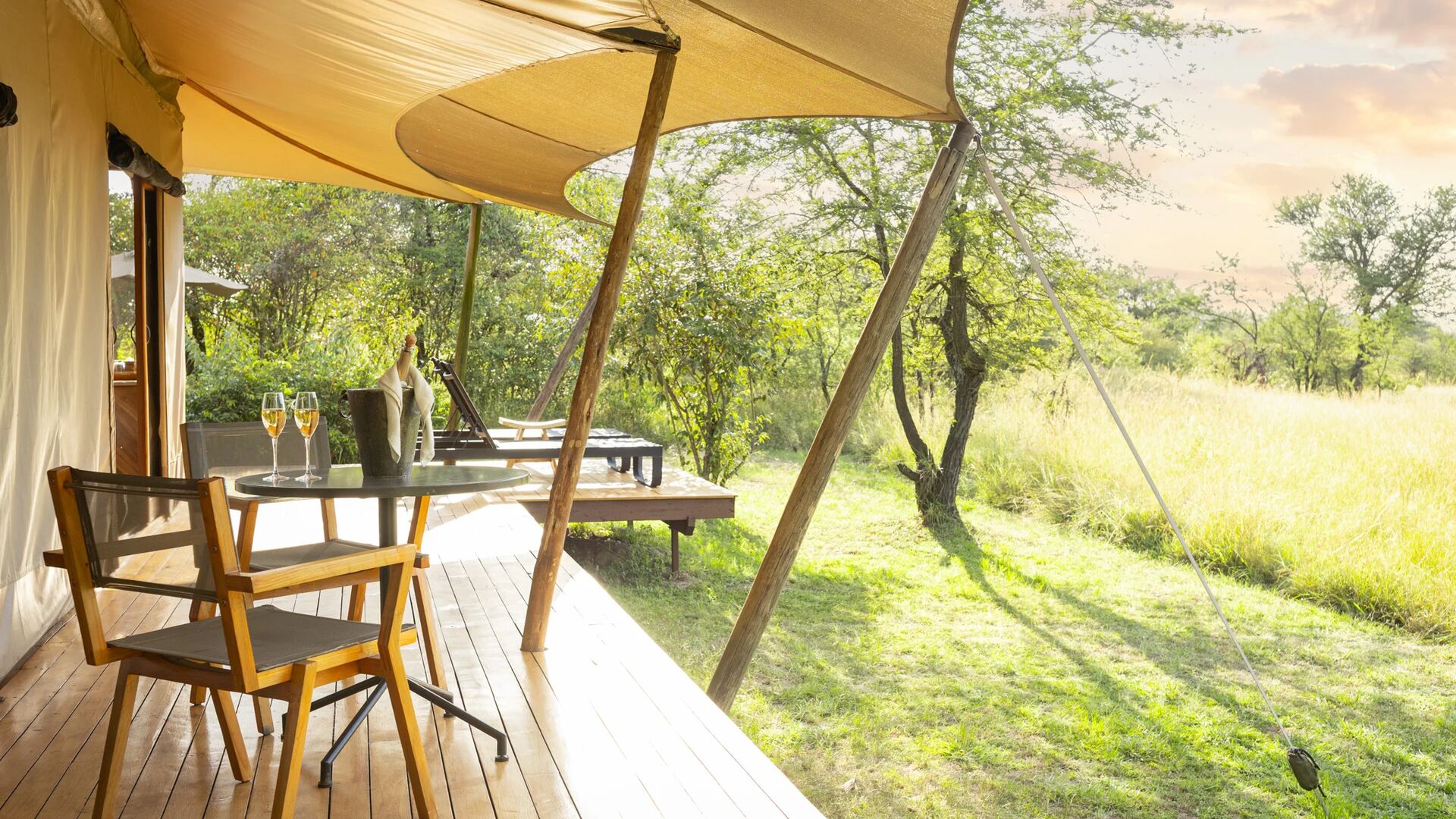
Private deck at a Northern Serengeti camp during migration season
Route logic
Day 1
Arusha
Arrival night
Day 2
Central Serengeti
Northbound staging
3–8
Northern Serengeti
Migration core
Day 9
Central Serengeti
Southbound bridge
Day 10
Ngorongoro
Crater positioning
Day 11
Crater / Depart
Arusha or JRO
Grid pricing

Choose the migration style that fits your journey

These are planning ranges. Final total depends on travel month, guest count, and the exact camp or lodge selection confirmed for your dates.

Private migration safari
From $6,476 pp

A strong starting point for a northern-corridor private safari with honest season logic, real northern depth, and the right overland staging into the crater finish.

Refined tented safari
$7,850 – 12,900

A more polished tented-camp mix with stronger camp atmosphere, quieter guiding rhythm, and higher comfort in the northern migration chapter.

Private family journey
$24,000 – 54,000

Family pricing is quoted per family and changes with room setup, ages of children, travel month, and the final migration-camp pairing selected.

Pricing note: northern migration value usually comes from staying long enough in the right Kogatende area camp and not wasting the budget on weak route compression. The camp mix matters more than headline wording.
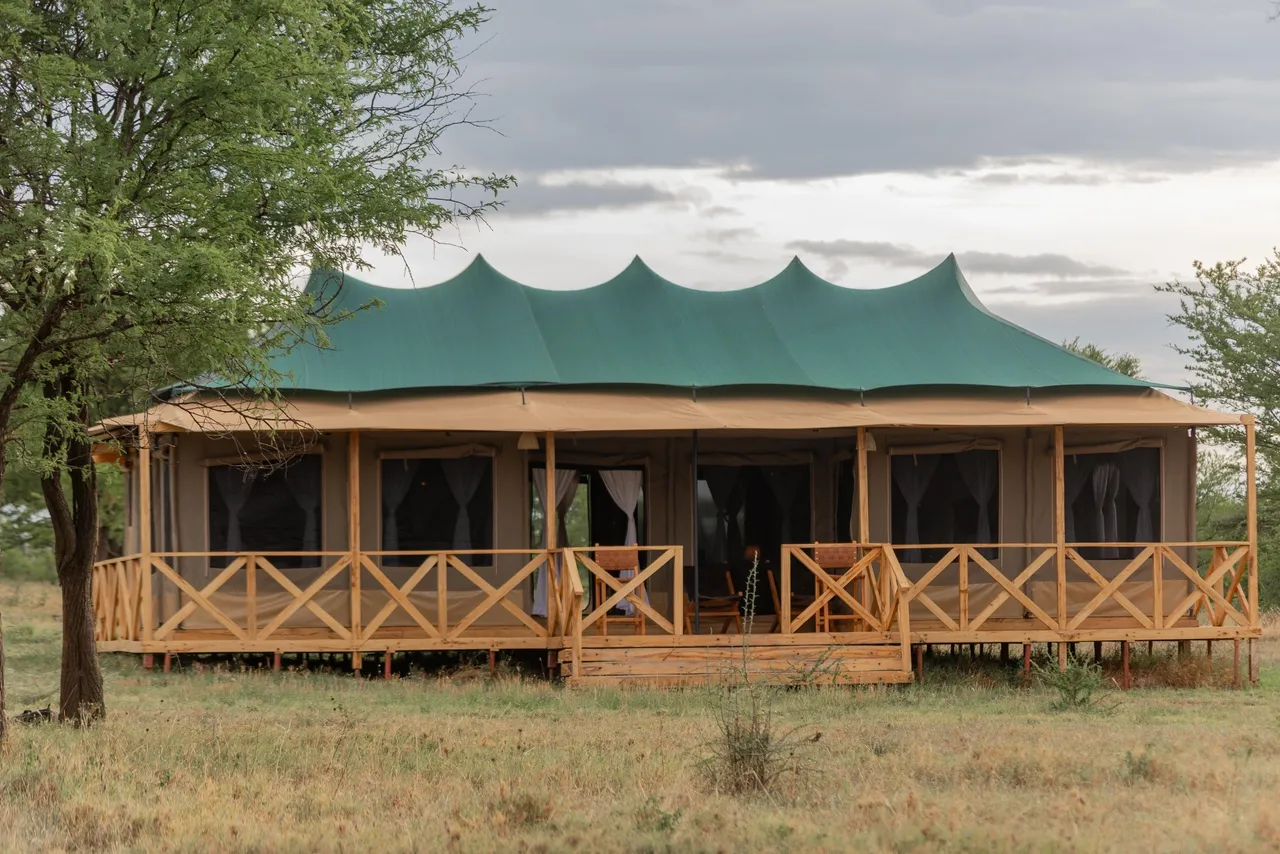
Serengeti staging camp image from a Central Serengeti accommodation website
Best time for this exact routing

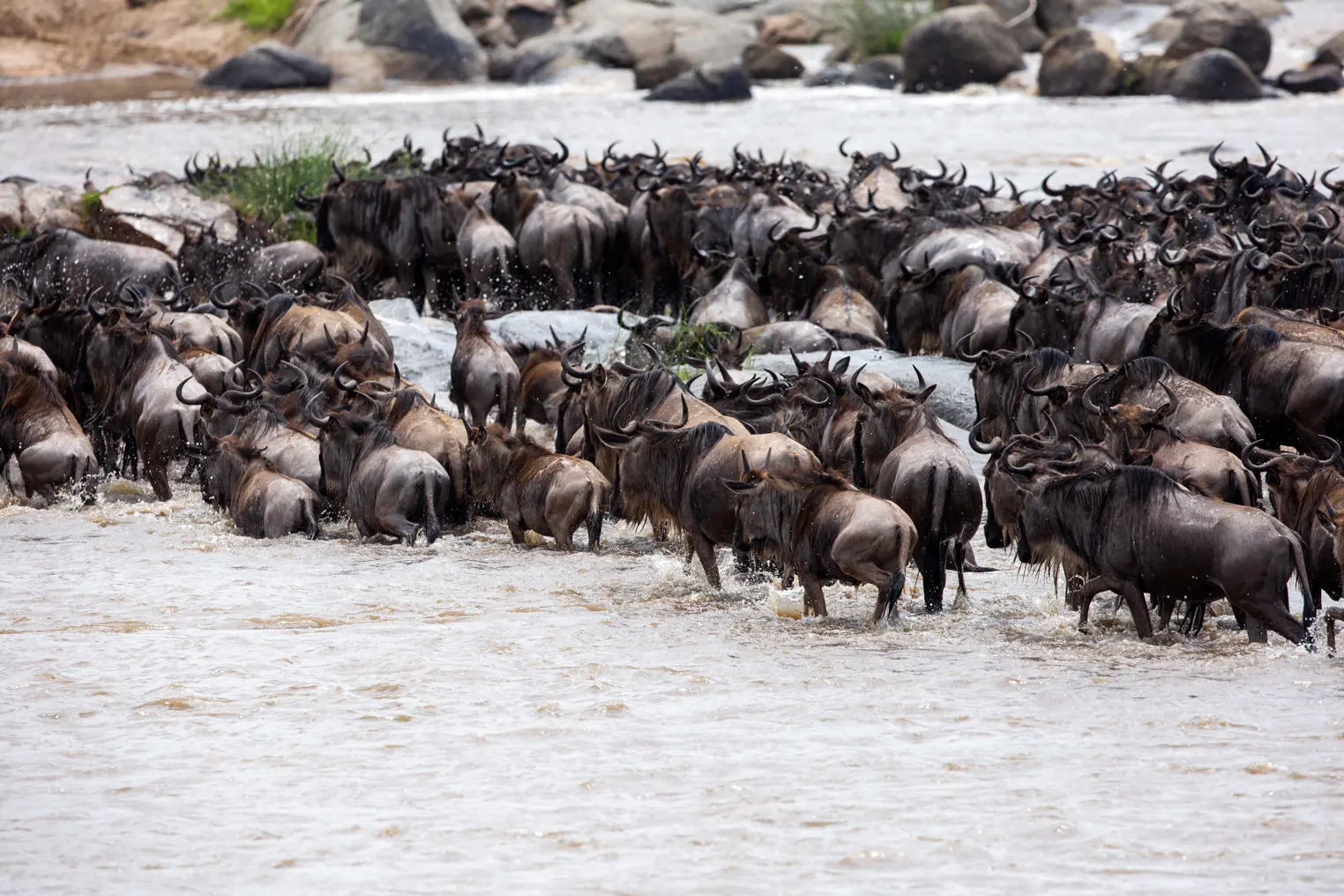
This route is strongest from July through October, when the northern corridor in Tanzania is the right zone for the best chance of Mara River pressure, herd accumulation, and repeated north-bank or crossing-area game drives. That does not mean every day becomes a crossing day. What it does mean is that the route puts you in the correct ecosystem window and keeps you there long enough to let the season work.

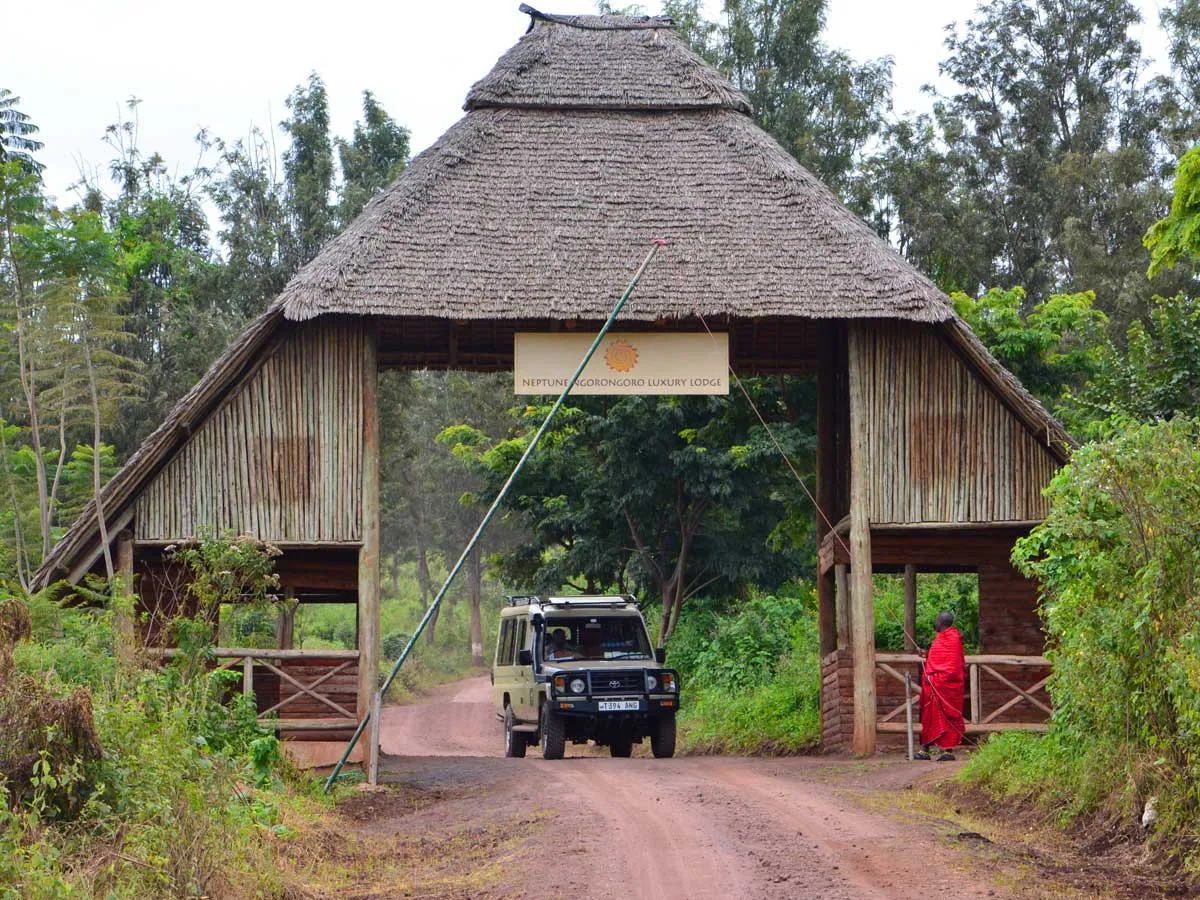
Ngorongoro lodge entrance used to represent the crater-finale access block
Expert route note

The important decision here is not just going north. It is how you come back out of the north without ruining the final days. That is why the itinerary uses a southbound Serengeti bridge before Ngorongoro, then finishes with the crater only once the migration chapter is already complete. The route feels cleaner on the ground because it respects distance instead of hiding it.

Accommodation plan

Three accommodation options at every main stop

Arusha arrival hotel image from an official accommodation website
Arusha — Day 1

Arrival night before the migration route begins properly

Central Serengeti camp image from an official accommodation website
Central Serengeti — Days 2 & 9

Northbound and southbound staging without losing safari quality

Northern Serengeti camp image from an official accommodation website
Northern Serengeti — Days 3–8

The route’s real core during the northern migration window

Ngorongoro lodge image from an official accommodation website
Ngorongoro Highlands — Day 10

Correct crater positioning before the final descent

Day-by-day itinerary

Eleven days designed for the northern corridor to behave like a real safari, not a hope-based sprint

01

Arrival at Kilimanjaro International Airport → Arusha overnight

On arrival at Kilimanjaro International Airport, you are met by our team and transferred to Arusha for your first overnight. This is the correct way to begin a long migration itinerary. Instead of burning the first day in a rushed airport-to-bush push, you settle in properly, reset, and start the Serengeti section the following morning with cleaner energy.

Overnight is at Gran Meliá Arusha, Rivertrees Country Inn, or Tulia Boutique Hotel, depending on the final comfort level selected.

Overnight: Arusha Style note: calm arrival
02

Arusha → Central Serengeti

After breakfast, the safari begins in earnest as you travel west through the Ngorongoro Conservation Area and onward into Serengeti. This is a long but purposeful transition. In a northern migration route, Central Serengeti is the cleanest first staging point, because it gets you into the greater ecosystem properly without trying to jump unrealistically straight into the far north on day one.

You arrive with enough safari atmosphere already building around you, then settle into camp in the central sector. Overnight is at Signature Serengeti, Serengeti Tortilis Camp, or Namiri Plains.

Overnight: Central Serengeti Route role: northbound bridge
03

Central Serengeti → Northern Serengeti

Today the route stretches deeper into the migration corridor, leaving the central plains behind and working north toward Kogatende. This movement matters because the character of the safari changes as you go: the landscape opens differently, herd pressure shifts, and the whole rhythm begins to orient around the river systems and crossing zones that make the northern season so compelling.

By the time you reach the Northern Serengeti, the safari is no longer about getting there. It is about staying there long enough for the ecosystem to start speaking clearly. Overnight is at Nyikani Migration Camp – Kogatende, Sayari Camp, or Serengeti Ark Safari Lodge.

Overnight: Northern Serengeti Shift: into the northern corridor
04

Northern Serengeti — first full migration safari day

Your first full day in the north is about orientation and fresh movement. Depending on how the herds have been behaving in the days before your arrival, the guide may focus on river access areas, feeder plains, ridgelines, or quieter holding zones where animals gather before pressure builds.

This is exactly why the route gives the north more than a token stay. One full day can introduce the system, but it rarely tells the whole story.

Overnight: Northern Serengeti Focus: fresh movement & river pressure
05

Northern Serengeti — second full safari day

The second full day in the north is often where patterns begin to clarify. Perhaps a crossing attempt builds, perhaps the herds hesitate, perhaps the action sits away from the river entirely. This uncertainty is not a weakness of the route; it is the reality of the migration, and the whole design of this itinerary exists to give you room for that reality.

Northern Serengeti also delivers more than crossings: lion, elephant, topi, giraffe, and excellent open-country drama continue even when the river stays quiet.

Overnight: Northern Serengeti Why it matters: the season needs patience
06

Northern Serengeti — third full safari day

By now the route is doing what it was built to do. Instead of hoping everything happens on cue, you are already in position and can refine the safari based on what has actually unfolded. Your guide can return to productive sectors, react to fresh sightings, and follow the logic of the herd instead of the logic of departure times.

This is one of the reasons photographers and serious wildlife travellers value longer northern stays. The ecosystem starts to become legible rather than merely impressive.

Overnight: Northern Serengeti Deeper migration reading
07

Northern Serengeti — fourth full safari day

With multiple mornings already behind you, this is where repeated time becomes valuable. A place that felt quiet on arrival may suddenly become the day’s strongest corridor, or an area that looked promising may prove less active than expected. That is why a serious northern route is built around repeat hours, not assumptions.

You remain flexible, with the whole day shaped around current movement and your guide’s reading of the northern sector.

Overnight: Northern Serengeti Patterns repeat differently each day
08

Northern Serengeti — final full northern day

The last full northern day is kept fully open because that is the smartest use of time in this ecosystem. By now you are not chasing a general idea of migration. You are working with real movement history from the preceding days, which often produces a stronger and more grounded final northern session than the first one.

This is the difference between northern positioning and northern depth. Positioning gets you there. Depth lets the place perform properly.

Overnight: Northern Serengeti Final full northern chapter
09

Northern Serengeti → Central Serengeti

After one last northern safari session, you begin the southbound return through Serengeti. This is another operating decision that matters. Instead of forcing a weak, overextended rush straight toward Ngorongoro, the itinerary uses Central Serengeti again as the correct bridge back out of the far north.

Overnight is at Signature Serengeti, Serengeti Tortilis Camp, or Namiri Plains. That placement protects the quality of the last two days and keeps the crater finale strong.

Overnight: Central Serengeti Southbound bridge day
10

Central Serengeti → Ngorongoro Highlands

Today the journey leaves the Serengeti ecosystem and climbs back toward the Ngorongoro Highlands. The point of this day is not just transfer. It is correct crater positioning. By sleeping in the highlands before the final descent, you avoid turning the crater into a rushed afterthought attached to a long road day.

Overnight is at Ang'ata Ngorongoro Camp, Neptune Ngorongoro Luxury Lodge, or The Highlands.

Overnight: Ngorongoro area Crater positioning matters
11

Ngorongoro Crater → Arusha / Kilimanjaro International Airport

This morning you descend into the Ngorongoro Crater for one of Tanzania’s most concentrated wildlife chapters. After the wide horizons, shifting herd pressure, and long migration rhythm of Serengeti, the crater gives the journey a very different and very powerful ending: enclosed, dramatic, dense, and visually distinct.

After the crater safari and lunch, you return to Arusha or continue to Kilimanjaro International Airport for departure. If you prefer a softer finish after the safari, an extra Arusha overnight can be added.

End: Ngorongoro → Arusha / JRO Crater finale
Included
  • Private 4×4 safari vehicle with professional driver-guide
  • Airport pickup and arrival transfer
  • All accommodation as per confirmed camp or lodge category
  • Meals as indicated throughout the safari
  • Park entry fees and Ngorongoro Crater service fees
  • Drinking water in the safari vehicle
Not included
  • International flights
  • Tanzania visa
  • Travel insurance
  • Tips and gratuities
  • Alcoholic and premium drinks unless clearly stated
  • Extra Arusha overnight after safari if required
  • Optional internal flight variation if requested instead of full overland return logic
  • Anything not expressly mentioned as included
Who this journey is designed for

This itinerary is ideal for guests who want the Northern Serengeti chapter done with seriousness rather than marketing shortcuts. It suits couples, photographers, private safari travellers, and migration-focused guests who understand that the river season is real but not programmable, and that good route design means staying long enough for the season to actually work.

It is also a strong fit for travellers who want a proper crescendo: broad migration pressure in the north, controlled southbound staging, then a dense and dramatic crater finish. The route is not trying to be everything. It is trying to be coherent, and that is exactly why it reads better on the ground.

How this fits your wider journey: if you want a broader non-migration private route with deeper all-round Serengeti pacing, our 8-Day Tanzania Deep Serengeti + Ngorongoro is the stronger broader option. If you want a different seasonal migration chapter built around the southern plains and predator pressure, our 8-Day Ndutu Calving Season Safari is the more specialised counterpart.

FAQ

Simple answers before you plan

Is this really a river-crossing safari?

It is a northern-corridor safari in the right Tanzania season for the best chance of Mara River activity, yes. But crossings remain movement-dependent, so no honest operator should promise them on a specific day.

Why include Central Serengeti at all if the focus is Northern Serengeti?

Because Central Serengeti is the cleanest overland bridge into and out of the far north. It improves the route instead of weakening it.

Why so many nights in the north?

Because the northern migration story usually rewards patience more than speed. Extra nights give your guide room to follow fresh pressure and let the same ecosystem behave differently across multiple days.

Can this safari work well for photography?

Yes. It is particularly strong for guests who want repeated northern mornings, movement-based guiding, and enough days in one migration zone to wait for better light or stronger behavior.

Why finish with Ngorongoro Crater?

Because the crater gives the journey a dense, high-impact closing chapter after the long Serengeti rhythm. It works far better as a finale than as an early interruption.

WhatsApp Afro-Views Tours & Safaris